
ترك رسالة
إذا كنت مهتمًا بمنتجاتنا وترغب في معرفة المزيد من التفاصيل، فيرجى ترك رسالة هنا، وسنرد عليك في أقرب وقت ممكن.




أفضل شراء قمت به هذا الشتاء! اللون والحياكة رائعان، وهو مريح للغاية! سافرت من نيويورك إلى ميامي دون أن أخلعه لحظة. في غاية الروعة!
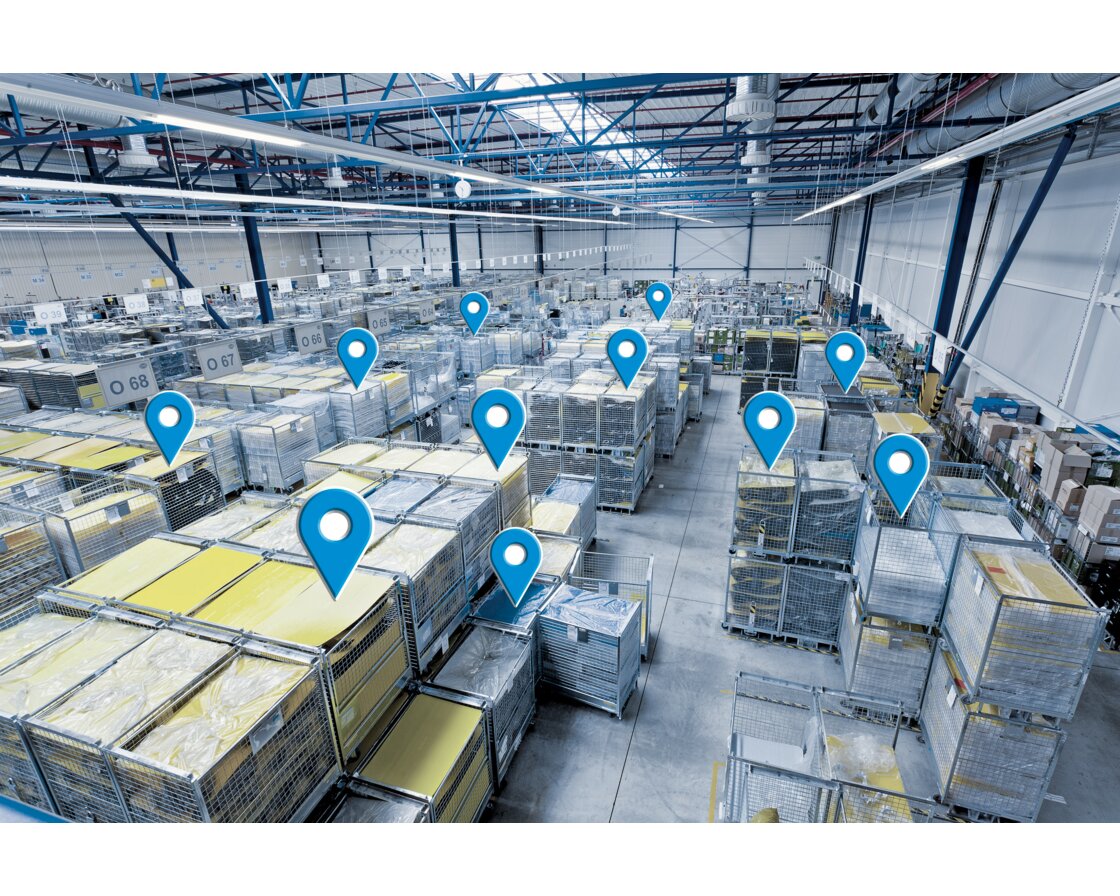
تدير الشركات الصناعية آلاف الأصول يوميًا، بدءًا من معدات وأدوات الإنتاج وصولًا إلى الحاويات والمنصات وقطع الغيار وأجهزة الصيانة. ومع ازدياد حجم العمليات، يصبح تتبع هذه الأصول أكثر صعوبة. فالأساليب التقليدية، كالجداول الإلكترونية والسجلات الورقية والرموز الشريطية والفحوصات اليدوية، قد تجعل إدارة الأصول عمليةً تستغرق وقتًا طويلًا وعرضةً للأخطاء.
توفر تقنية تحديد الهوية بموجات الراديو (RFID) نهجًا أكثر آلية وموثوقية. فمن خلال تثبيت علامات RFID على الأصول الصناعية واستخدام قارئات RFID لجمع المعلومات، تستطيع الشركات تحديد الأصول وتتبعها وإدارتها طوال دورة حياتها. وهذا ما يجعل تقنية RFID تقنية بالغة الأهمية لتتبع الأصول الصناعية الحديثة.
يشير تتبع الأصول الصناعية إلى عملية تحديد ومراقبة وإدارة الأصول المادية المستخدمة في التصنيع والخدمات اللوجستية والبناء والطاقة والنقل وغيرها من البيئات الصناعية.
يمكن أن تشمل هذه الأصول ما يلي:
آلات ومعدات الإنتاج
الأدوات اليدوية والأدوات الكهربائية
المنصات والحاويات
حاويات وصناديق تخزين صناعية
المركبات والمقطورات
معدات الصيانة
قطع الغيار والمكونات
أسطوانات الغاز والحاويات القابلة لإعادة الاستخدام
مواد قيد الإنجاز
معدات السلامة
لا يقتصر الهدف على معرفة مكان الأصل فحسب، بل يمكن لنظام تتبع الأصول المتكامل أن يوفر أيضاً معلومات حول هوية الأصل وموقعه وحالته وسجل استخدامه وسجلات صيانته وسجل تحركاته.
تتيح تقنية تحديد الهوية بموجات الراديو (RFID) ذلك من خلال ربط الأصول المادية بأنظمة المعلومات الرقمية.
يتكون نظام تتبع الأصول بتقنية RFID بشكل عام من ثلاثة مكونات رئيسية: علامات RFID، وقارئات RFID، وبرامج إدارة الأصول.
يتم تثبيت علامة RFID على الأصل المراد تتبعه. تحتوي كل علامة على رقم تعريف فريد يمكن ربطه بالمعلومات المخزنة في قاعدة بيانات الشركة.
عندما يرسل قارئ RFID إشارة تردد لاسلكي، تستجيب البطاقة بمعلومات التعريف المخزنة لديها. ثم يرسل القارئ البيانات المجمعة إلى برنامج أو نظام مؤسسي للمعالجة.
بخلاف أنظمة الباركود التقليدية، لا تتطلب تقنية تحديد الهوية بموجات الراديو (RFID) دائمًا مسحًا مباشرًا. كما يمكن تحديد عدة علامات تلقائيًا ضمن نطاق تغطية القارئ، وذلك حسب تصميم النظام.
بالنسبة للتطبيقات الصناعية، تعتبر تقنية UHF RFID مفيدة بشكل خاص لأنها تدعم مسافات قراءة أطول وتحديد سريع للأصول المتعددة.
تُعد إحدى أهم الخطوات في بناء نظام تتبع الأصول بتقنية RFID هي اختيار علامة RFID المناسبة.
قد تكون البيئات الصناعية مليئة بالتحديات. فقد تتعرض الأصول لأسطح معدنية، ومواد كيميائية، وغبار، ورطوبة، واهتزازات، ودرجات حرارة عالية، أو صدمات ميكانيكية. لذا، يجب أن تتوافق بطاقة تعريف الترددات اللاسلكية (RFID) مع البيئة المادية.
بالنسبة للأصول ذات الأغراض العامة، قد تكون علامات RFID اللاصقة أو ملصقات RFID كافية. أما بالنسبة للمعدات المعدنية، فيمكن لعلامات RFID المتخصصة المثبتة على المعدن أن توفر أداءً أفضل. وفي البيئات القاسية، يمكن لعلامات RFID المتينة المصنوعة من مواد مثل ABS أو PC أو غيرها من المواد الصناعية أن توفر متانة إضافية.
قد تتطلب أنواع الأصول المختلفة أيضاً أشكالاً مختلفة للعلامات وطرق تثبيت مختلفة.
فعلى سبيل المثال، يمكن استخدام علامات RFID صغيرة الحجم للأدوات، بينما قد تستخدم الحاويات أو الآلات الكبيرة علامات أكبر حجماً وعالية الأداء. وتتيح هذه المرونة نشر تقنية RFID في مختلف مناطق المنشأة الصناعية.
يُعد التصنيع أحد أهم تطبيقات تتبع الأصول الصناعية باستخدام تقنية تحديد الهوية بموجات الراديو (RFID).
قد يحتوي المصنع الحديث على آلاف الأدوات والتجهيزات والقوالب والمكونات والحاويات وقطع معدات الإنتاج. وعندما تُنقل هذه الأصول بين خطوط الإنتاج والمستودعات ومناطق الصيانة ومحطات الفحص، يصبح التتبع اليدوي أمراً صعباً.
يمكن لتقنية تحديد الهوية بموجات الراديو (RFID) تسجيل تحركات الأصول تلقائيًا في المواقع الرئيسية.
على سبيل المثال، يمكن تركيب قارئات RFID عند مداخل المصانع، وخطوط الإنتاج، ومناطق التخزين، أو محطات العمل. فعندما تمر أداة مزودة بعلامة RFID عبر منطقة محددة، يستطيع القارئ التعرف على الأصل تلقائيًا.
يمكن للنظام بعد ذلك تحديث معلومات مثل:
الموقع الحالي
وقت الحركة
المستخدم أو القسم
حالة الاستخدام
خط الإنتاج
حالة الصيانة
يؤدي هذا إلى إنشاء سجل حركة رقمي لكل أصل.
غالباً ما يتم تجاهل الأدوات، لكنها قد تمثل استثماراً كبيراً للشركات الصناعية.
في صناعات الطيران والفضاء، والسيارات، والإلكترونيات، والآلات، وغيرها من الصناعات التحويلية، قد يستخدم الموظفون مئات أو آلاف الأدوات. ومن السهل أن تضيع الأدوات، أو تُنقل بين الأقسام، أو تُترك في أماكن العمل.
يمكن لتتبع الأدوات باستخدام تقنية تحديد الهوية بموجات الراديو (RFID) أن يقلل من هذه المشاكل.
يمكن تزويد كل أداة بعلامة تعريف ترددية فريدة. ويمكن لأجهزة قراءة الترددات الراديوية المثبتة بالقرب من خزائن الأدوات أو غرف التخزين أو مناطق الإنتاج تحديد الأدوات التي تدخل أو تغادر موقعًا محددًا تلقائيًا.
على سبيل المثال، يمكن لخزانة أدوات مزودة بتقنية تحديد الهوية بموجات الراديو (RFID) تسجيل وقت إخراج الأداة ووقت إعادتها. وإذا لم تُعاد الأداة بعد فترة محددة، يمكن للنظام إصدار تنبيه.
يُحسّن هذا النهج من توافر الأدوات ويقلل من الوقت المستغرق في البحث عن المعدات المفقودة.
غالباً ما تعتمد سلاسل التوريد الصناعية على أصول قابلة لإعادة الاستخدام مثل المنصات والصناديق والحاويات والأقفاص والحقائب.
تنتقل هذه المواد القابلة للإرجاع بين المصانع والموردين والمستودعات والعملاء. وبدون نظام تتبع فعال، قد تفقد الشركات الحاويات أو تواجه صعوبة في تحديد مواقعها.
يمكن لتقنية تحديد الهوية بموجات الراديو (RFID) توفير تعريف تلقائي كلما مرت هذه الأصول عبر نقاط تفتيش مهمة.
على سبيل المثال، يمكن تركيب قارئات RFID في أرصفة تحميل المستودعات. وعندما تمر الحاويات الموسومة عبر الرصيف، يمكن للنظام تسجيل حركتها تلقائيًا.
يوفر هذا رؤية أفضل للأصول القابلة للاسترداد ويساعد الشركات على فهم ما يلي:
كم عدد الحاويات المتاحة؟
مكان وجود الحاويات
مدة بقائهم في كل موقع
أي من الموردين أو العملاء يمتلكونها؟
متى يجب إعادتها
من خلال تحسين استخدام الأصول، يمكن لتقنية تحديد الهوية بموجات الراديو (RFID) أن تساعد في تقليل تكلفة شراء حاويات قابلة لإعادة الاستخدام إضافية.
تتطلب المعدات الصناعية فحصاً وصيانة دورية. ويُعدّ الاحتفاظ بسجلات صيانة دقيقة أمراً بالغ الأهمية لضمان كفاءة التشغيل والسلامة.
يمكن لتقنية تحديد الهوية بموجات الراديو (RFID) ربط المعدات الفردية بسجل صيانتها.
يمكن تثبيت بطاقة تعريف الترددات الراديوية (RFID) على آلة أو مضخة أو محرك أو مولد أو أي قطعة أخرى من المعدات. وعند وصول الفنيين إلى المعدات، يمكنهم استخدام قارئ RFID لتحديدها والوصول إلى المعلومات ذات الصلة من خلال نظام إدارة متكامل.
قد يوفر النظام معلومات مثل:
تحديد المعدات
سجلات الصيانة السابقة
جداول التفتيش
قطع غيار
سجل الإصلاحات
حالة التشغيل
موظفو الصيانة
وبالتالي، تساعد تقنية تحديد الهوية بموجات الراديو (RFID) في تحويل عملية الصيانة من عملية يدوية إلى سير عمل رقمي أكثر تنظيماً.
تحتوي المستودعات الصناعية على كميات كبيرة من المواد والأصول. غالباً ما تتطلب عمليات الجرد التقليدية من الموظفين مسح الرموز الشريطية يدوياً، وهو ما قد يستغرق وقتاً طويلاً.
يمكن لأجهزة قراءة UHF RFID التعرف على عناصر متعددة تحمل علامات تعريفية دون الحاجة إلى قيام الموظفين بمسح كل عنصر على حدة.
يمكن نشر تقنية تحديد الهوية بموجات الراديو (RFID) عند مداخل المستودعات، ومناطق التخزين، وأنظمة النقل، ومحطات الجرد.
فعلى سبيل المثال، عندما تمر منصة نقالة تحتوي على أصول تحمل علامات RFID عبر بوابة RFID، يمكن للقارئ التعرف على عدة علامات تلقائيًا. وبذلك، يستطيع نظام إدارة المستودعات تحديث معلومات المخزون.
هذا من شأنه أن يجعل عملية جرد المخزون أسرع ويحسن الرؤية في جميع أنحاء المستودع.
غالباً ما تستخدم المنشآت الصناعية الرافعات الشوكية، ومركبات النقل، والمقطورات، والعربات، وغيرها من المعدات المتنقلة.
يمكن لتقنية تحديد الهوية بموجات الراديو (RFID) أن تساعد الشركات على مراقبة حركة هذه الأصول.
يمكن تركيب علامات RFID على المركبات، بينما يمكن وضع قارئات RFID الثابتة عند المداخل والمخارج ومناطق التحميل ونقاط التفتيش الداخلية.
عندما تمر مركبة تحمل علامة مميزة عبر منطقة تغطية جهاز القراءة، يمكن للنظام تسجيل حركتها.
يمكن أن تصبح تقنية تحديد الهوية بموجات الراديو (RFID)، عند دمجها مع تقنيات أخرى مثل نظام تحديد المواقع العالمي (GPS) أو الكاميرات أو أجهزة الاستشعار، جزءًا من حل أوسع لإدارة المركبات الصناعية.
قد تكون البيئات الصناعية أكثر تطلباً بكثير من المكاتب أو متاجر البيع بالتجزئة.
قد تحتاج علامات RFID إلى تحمل ما يلي:
الماء والرطوبة
الغبار والأوساخ
النفط والمواد الكيميائية
درجات حرارة مرتفعة أو منخفضة
اهتزاز
الصدمات والتآكل
التعرض للهواء الطلق
تداخل المعادن
بالنسبة لهذه البيئات، ينبغي اختيار علامات RFID الصناعية وفقًا لمواد الأصول وظروف التشغيل.
على سبيل المثال، قد يتطلب تتبع المعدات الفولاذية استخدام بطاقة تعريف لاسلكية (RFID) مصممة خصيصًا للأسطح المعدنية. كما يمكن استخدام بطاقات تعريف مقاومة للعوامل الجوية عند تعرض الأصول للصدمات الميكانيكية أو الظروف الخارجية.
يُعد اختيار العلامة الصحيحة أمرًا بالغ الأهمية لأن أداء تقنية تحديد الهوية بموجات الراديو (RFID) يعتمد بشكل كبير على تصميم العلامة، وموضع التركيب، وتكوين القارئ، والبيئة المحيطة.
تُستخدم قارئات RFID الثابتة بشكل شائع عندما تحتاج الشركات إلى تتبع تلقائي في مواقع محددة.
يمكن تثبيت أجهزة القراءة في:
مداخل المستودعات
بوابات المصنع
خطوط الإنتاج
أرصفة التحميل
غرف الأدوات
مناطق الصيانة
نقاط التفتيش الأمنية
أنظمة النقل
يتم وضع الهوائيات لإنشاء منطقة القراءة المطلوبة. وعندما تدخل الأصول المزودة بتقنية RFID إلى المنطقة، يقوم النظام بالتقاط معلومات تعريفها.
ولعمليات أكثر مرونة، يمكن أيضاً استخدام أجهزة قراءة RFID المحمولة. يستطيع العمال التجول في المستودعات أو مناطق الإنتاج وتحديد العديد من الأصول بسرعة.
يمكن أن يوفر الجمع بين أجهزة قراءة RFID الثابتة والمحمولة كلاً من التتبع التلقائي وإدارة المخزون المتنقلة.
لا تُمثل أجهزة تحديد الهوية بموجات الراديو (RFID) سوى جزء واحد من حلول تتبع الأصول الصناعية. وتكمن القيمة الحقيقية في ربط بيانات RFID ببرامج الأعمال.
يمكن لأنظمة تحديد الهوية بموجات الراديو (RFID) أن تتكامل مع:
أنظمة إدارة المستودعات (WMS)
تخطيط موارد المؤسسة (ERP)
أنظمة تنفيذ التصنيع (MES)
أنظمة إدارة الأصول
أنظمة إدارة الصيانة
منصات إدارة سلسلة التوريد
على سبيل المثال، عندما يتعرف قارئ RFID على أحد الأصول التي تدخل المستودع، يمكن للنظام تحديث حالته تلقائيًا في منصة WMS أو ERP.
وهذا يخلق صلة بين الحركة المادية للأصول والعمليات الرقمية للشركة.
يمكن أن يوفر تطبيق تقنية تحديد الهوية بموجات الراديو (RFID) لتتبع الأصول الصناعية العديد من الفوائد المهمة.
تحسين الرؤية: يمكن للشركات الحصول على معلومات أكثر دقة حول أماكن وجود الأصول وكيفية استخدامها.
تقليل العمل اليدوي: يقلل التعرف الآلي من الحاجة إلى المسح المتكرر وإدخال البيانات يدويًا.
عمليات جرد أسرع: يمكن تحديد العديد من علامات RFID خلال عملية قراءة واحدة.
انخفاض خسائر الأصول: إن تتبع الحركة يسهل تحديد الأصول المفقودة أو الموضوعة في غير مكانها.
تحسين استخدام الأصول: يمكن للشركات أن تفهم أي الأصول متاحة، أو قيد الاستخدام، أو غير مستخدمة، أو قيد الصيانة.
تحسين إدارة الصيانة: يمكن ربط تحديد الأصول بسجلات الفحص والصيانة.
تحسين دقة البيانات: يمكن لجمع البيانات الآلي أن يقلل من الأخطاء المرتبطة بحفظ السجلات اليدوي.
ينبغي أن يبدأ مشروع RFID الناجح بمتطلبات العمل الفعلية بدلاً من مجرد اختيار أجهزة RFID.
أولاً، حدد الأصول التي يجب تتبعها وحدد حجمها ومادتها وبيئة تشغيلها.
ثانياً، حدد المواقع التي تتطلب تحديد الأصول. قد تشمل هذه المواقع المستودعات، وخطوط الإنتاج، وأرصفة التحميل، أو مداخل المنشأة.
ثالثًا، اختر علامات RFID المناسبة، وأجهزة القراءة، والهوائيات، وطرق التركيب.
رابعاً، قم بإجراء الاختبارات في البيئة الفعلية. يمكن أن تؤثر الأسطح المعدنية والسوائل وهياكل المعدات وعوامل التداخل اللاسلكي الأخرى على أداء تقنية تحديد الهوية بموجات الراديو (RFID).
وأخيراً، قم بتوصيل نظام RFID بالبرامج الحالية وقم بوضع قواعد لحركة الأصول والتنبيهات وتحديثات المخزون وإعداد التقارير.
مع تزايد اعتماد المصانع وسلاسل التوريد على التقنيات الرقمية، سيتجاوز تتبع الأصول الصناعية مجرد تحديد الهوية.
يمكن أن تكون تقنية تحديد الهوية بموجات الراديو (RFID) بمثابة أساس لأنظمة أكثر تطوراً تجمع بين بيانات التعريف وأجهزة استشعار إنترنت الأشياء والذكاء الاصطناعي والتوائم الرقمية ومنصات الحوسبة السحابية والتحليلات في الوقت الفعلي.
بدلاً من مجرد السؤال "أين هذا الأصل؟"، يمكن للشركات بشكل متزايد الإجابة على أسئلة مثل "كيف يتم استخدام هذا الأصل؟"، "متى تمت صيانته آخر مرة؟"، و"متى ستكون هناك حاجة إليه مرة أخرى؟".
يمكن أن يساعد هذا التحول من التتبع اليدوي إلى إدارة الأصول القائمة على البيانات الشركات الصناعية على بناء عمليات أكثر شفافية وكفاءة واستجابة.
توفر تقنية تحديد الهوية بموجات الراديو (RFID) طريقة فعالة لربط الأصول الصناعية المادية بأنظمة الإدارة الرقمية. بدءًا من أدوات التصنيع ومعدات الإنتاج وصولًا إلى المنصات والحاويات والمركبات وأصول الصيانة، تدعم تقنية RFID تحديد وتتبع الأصول طوال دورة حياتها.
لا يكمن مفتاح نجاح تطبيق تقنية تحديد الهوية بموجات الراديو (RFID) في مجرد اختيار قارئ RFID قوي. بل يتعين على الشركات مراعاة مادة الأصل، وبيئة التشغيل، ومسافة القراءة، ونوع العلامة، وتكوين الهوائي، وتكامل البرامج، وسير العمل بشكل عام.
باستخدام المزيج الصحيح من علامات RFID وقارئات RFID والهوائيات وبرامج الإدارة، يمكن للمؤسسات الصناعية تقليل العمل اليدوي وتحسين رؤية الأصول وزيادة الاستخدام وبناء نهج أكثر ذكاءً لإدارة الأصول.
مع استمرار تسارع التحول الرقمي الصناعي، ستظل تقنية تحديد الهوية بموجات الراديو (RFID) تقنية مهمة لإنشاء عمليات صناعية أكثر ترابطًا وشفافية.

معلومات تفصيلية وملف PDF

للتواصل مع الدعم عبر البريد الإلكتروني.

إرشادات فنية احترافية.

للتواصل مع الدعم عبر البريد الإلكتروني.


واتساب

وصلة

يوتيوب

فيسبوك
ترك رسالة
امسح ضوئيًا إلى WeChat/WhatsApp :



 IPv6 الشبكة المدعومة