
ترك رسالة
إذا كنت مهتمًا بمنتجاتنا وترغب في معرفة المزيد من التفاصيل، فيرجى ترك رسالة هنا، وسنرد عليك في أقرب وقت ممكن.



تحديث مكافحة التزييف: تقنية تحديد الهوية بموجات الراديو (RFID) تجعل التحقق من أصالة المنتجات الفاخرة أبسط وأكثر موثوقية
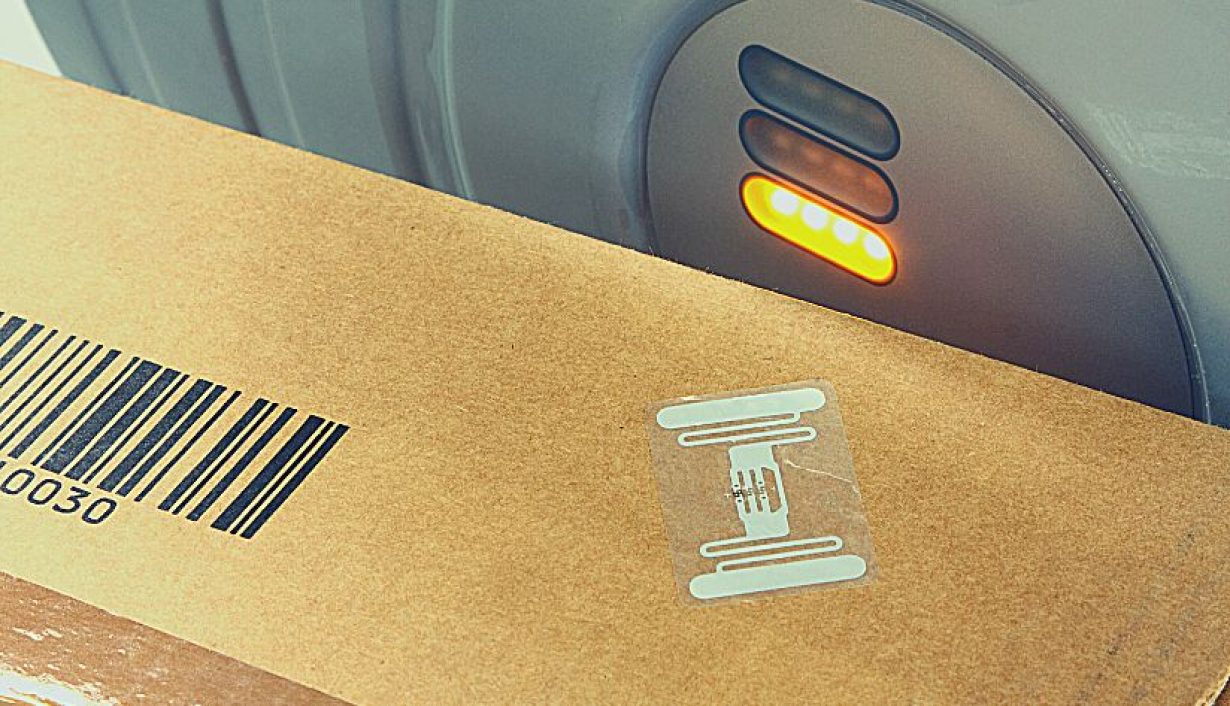
في قطاع السلع الفاخرة، لا تقتصر الأصالة على المنتج نفسه فحسب، بل ترتبط ارتباطًا وثيقًا بسمعة العلامة التجارية، وثقة المستهلك، واستقرار سوق إعادة البيع. ومع استمرار نمو سوق السلع الفاخرة عالميًا، أصبحت المنتجات المقلدة أكثر تطورًا. فمن حقائب اليد المقلدة عالية الجودة والساعات المزيفة إلى بطاقات التحقق المستنسخة ورموز الاستجابة السريعة المنسوخة، تواجه أساليب مكافحة التزييف التقليدية تحديات كبيرة. ينفق المستهلكون مبالغ طائلة على المنتجات الفاخرة، ومع ذلك لا يزالون قلقين بشأن شراء سلع مزيفة، بينما تستثمر العلامات التجارية بكثافة في جهود مكافحة التزييف، لكنها تكافح للقضاء تمامًا على سلاسل توريد المنتجات المقلدة. في هذا السياق، تبرز تقنية تحديد الهوية بموجات الراديو (RFID) كحل مهم لتطوير أنظمة التحقق من أصالة المنتجات الفاخرة.
تستخدم تقنية تحديد الهوية بترددات الراديو (RFID) رقائق إلكترونية وتقنية الاتصال اللاسلكي لتحديد وتتبع الأشياء. وبالمقارنة مع الرموز الشريطية ورموز الاستجابة السريعة التقليدية، توفر تقنية RFID مزايا رئيسية مثل التفرد، ومقاومة التكرار، وإمكانية التتبع. هذه الميزات تجعلها مناسبة للغاية للتحقق من أصالة المنتجات الفاخرة عالية القيمة وإدارة دورة حياتها.
تعتمد أساليب مكافحة التزييف التقليدية للمنتجات الفاخرة غالبًا على العلامات، والصور المجسمة، والأرقام التسلسلية، أو ملصقات الأمان المطبوعة. مع ذلك، يمكن تقليد معظم هذه الأساليب في نهاية المطاف. ومع تطور صناعة المنتجات المقلدة، لم يعد بإمكان المستهلكين التمييز بين المنتجات الأصلية والمزيفة بمجرد النظر. بل إن بعض المنتجات المقلدة تُقلّد التغليف والملحقات والأرقام التسلسلية بدقة مذهلة. أما رقائق RFID، فتحتوي على رموز تعريف فريدة عالميًا، مما يمنح كل منتج فاخر هوية رقمية خاصة به.
على سبيل المثال، عند تزويد حقيبة يد فاخرة بعلامة RFID أثناء الإنتاج، يمكن تخزين معلومات مثل رقم تعريف الشريحة، وموقع المصنع، ورقم دفعة المواد، وتاريخ الإنتاج، وسجل الخدمات اللوجستية في النظام. ومع انتقال المنتج عبر المستودعات، والنقل، ومتاجر البيع بالتجزئة، وحتى قنوات إعادة البيع، يمكن تحديث بياناته والتحقق منها باستمرار. وبذلك، يستطيع المستهلكون استخدام الأنظمة الرسمية أو الأجهزة المعتمدة للتأكد بسرعة من وجود المنتج فعلاً في قاعدة بيانات العلامة التجارية.
بالمقارنة مع رموز الاستجابة السريعة (QR) التي يسهل نسخها، توفر تقنية تحديد الهوية بموجات الراديو (RFID) مستوى أمان أعلى. إذ يمكن أن تتضمن رقائق RFID آليات مصادقة مشفرة ووظائف تحقق ديناميكية. وحتى لو نجح المزورون في تقليد مظهر المنتج، فإن نسخ بيانات الرقاقة المشفرة يُعدّ أكثر صعوبة بكثير. هذا المزيج من "المنتج المادي والهوية الرقمية" يرفع بشكل كبير حاجز إنتاج المنتجات المقلدة.
تتجاوز قيمة تقنية تحديد الهوية بموجات الراديو (RFID) في قطاع المنتجات الفاخرة مجرد التحقق من أصالة المنتج، بل إنها تتيح تتبعه بشكل كامل. ففي السابق، لم يكن لدى المستهلكين سوى معلومات محدودة حول مكان تصنيع المنتج الفاخر، وكيفية انتقاله عبر سلسلة التوريد، وما إذا كان قد تم استبداله أو التلاعب به أثناء تداوله. تُغير تقنية RFID هذا الواقع بتسجيلها كل حركة للمنتج طوال دورة حياته، مما يوفر شفافية كاملة لسلسلة التوريد.
لنأخذ صناعة الساعات الفاخرة كمثال. قد تمر ساعة ميكانيكية راقية مصنعة في سويسرا عبر شركات لوجستية دولية، وموزعين إقليميين، ومتاجر رئيسية، ومراكز خدمة قبل وصولها إلى العميل. في ظل أنظمة الإدارة التقليدية، غالبًا ما تكون المعلومات بين هذه المراحل مجزأة. تتيح تقنية تحديد الهوية بموجات الراديو (RFID) تسجيل كل نقطة نقل تلقائيًا. وبالتالي، تستطيع العلامات التجارية مراقبة حركة المنتجات بفعالية أكبر وتحديد قنوات التوزيع غير المصرح بها أو أنشطة السوق السوداء بسرعة.
يُتيح هذا للمستهلكين تجربة شراء أكثر شفافية. فعند شراء منتج فاخر من متجر، يُمكن للعملاء استخدام تطبيق رسمي أو جهاز ذكي لمسح علامة RFID والاطلاع فورًا على تفاصيل الإنتاج ومعلومات المنشأ وحالة التحقق. تُقلل عملية التحقق البسيطة والبديهية هذه من مخاوف المستهلكين بشأن البضائع المقلدة.
في الوقت نفسه، تُسهم تقنية تحديد الهوية بموجات الراديو (RFID) في توحيد معايير سوق السلع الفاخرة المستعملة سريع النمو. ففي السنوات الأخيرة، شهد سوق إعادة بيع السلع الفاخرة العالمي توسعًا ملحوظًا، إلا أن الشكوك حول أصالة المنتجات لا تزال تُشكل أحد أكبر تحدياته. إذ يتردد العديد من المستهلكين في شراء السلع الفاخرة المستعملة لافتقارهم إلى الثقة في أنظمة التحقق من الأصالة.
تُساهم تقنية تحديد الهوية بموجات الراديو (RFID) في حل هذه المشكلة. فبما أن لكل منتج هوية رقمية فريدة، يُمكن لمنصات إعادة البيع الوصول بسرعة إلى سجلات تاريخ المنتج، بما في ذلك تاريخ البيع الأصلي، وسجل الصيانة، ومسار التداول. وهذا لا يُحسّن كفاءة التحقق فحسب، بل يُعزز أيضًا الثقة بين المشترين والبائعين.
على سبيل المثال، عندما تدخل حقيبة يد فاخرة مستعملة إلى منصة إعادة بيع، يمكن للمنصة التحقق مباشرةً من معلومات RFID الخاصة بالمنتج بدلاً من الاعتماد فقط على خبراء التحقق اليدوي. بالنسبة للمنتجات ذات القيمة العالية، تقلل عملية التحقق الرقمي هذه بشكل كبير من مخاطر سوء التقدير.
إلى جانب مكافحة التزييف وتتبع المنتجات، تُحسّن تقنية تحديد الهوية بموجات الراديو (RFID) إدارة المخزون للعلامات التجارية الفاخرة. غالبًا ما تتضمن المنتجات الفاخرة هياكل وحدات تخزين معقدة وقيمًا عالية للوحدة، مما يجعل عمليات جرد المخزون اليدوية التقليدية تستغرق وقتًا طويلاً وعرضة للأخطاء. تدعم تقنية RFID المسح السريع للمجموعات، مما يسمح للموظفين بإتمام عمليات جرد المخزون دون الحاجة إلى مسح المنتجات بشكل فردي. هذا يُحسّن الكفاءة التشغيلية ويقلل من مخاطر فقدان المنتجات.
في بعض متاجر المنتجات الفاخرة الرائدة، تم دمج تقنية تحديد الهوية بموجات الراديو (RFID) في تجارب التسوق الذكية. فعندما يختار العميل منتجًا، يستطيع النظام التعرف عليه تلقائيًا وعرض معلومات عنه، مثل المواد المستخدمة، وقصة التصميم، وتوصيات التنسيق، على شاشات رقمية قريبة. وقد أصبحت هذه التجربة التفاعلية جزءًا من التحول الرقمي الأوسع نطاقًا في قطاع المنتجات الفاخرة.
لا شك أن اعتماد تقنية تحديد الهوية بموجات الراديو (RFID) في قطاع المنتجات الفاخرة لا يزال يواجه بعض التحديات. إحدى أبرز هذه التحديات هي التكلفة. فمقارنةً بملصقات رمز الاستجابة السريعة (QR) التقليدية، تُعدّ رقائق RFID أغلى ثمناً، مما يتطلب استثمارات أكبر لتطبيقها على نطاق واسع. إضافةً إلى ذلك، لا تزال معايير البيانات وتوافق الأنظمة على مستوى القطاع قيد التطوير. كما تبقى حماية الخصوصية وأمن البيانات من الاعتبارات المهمة.
مع ذلك، تشير اتجاهات الصناعة إلى أن استخدام تقنية تحديد الهوية بموجات الراديو (RFID) في السلع الفاخرة سيستمر في النمو مع انخفاض تكاليف الرقائق الإلكترونية وتسارع التحول الرقمي. وتنظر المزيد من العلامات التجارية الفاخرة الآن إلى تقنية RFID ليس فقط كأداة لإدارة الخدمات اللوجستية، بل أيضاً كمكون أساسي لحماية العلامة التجارية وخدمة العملاء.
في المستقبل، قد تصبح تقنية تحديد الهوية بموجات الراديو (RFID) أكثر قوة عند دمجها مع تقنيات مثل سلسلة الكتل (Blockchain) وأنظمة الهوية الرقمية والذكاء الاصطناعي. يمكن لسلسلة الكتل أن تجعل سجلات تداول المنتجات غير قابلة للتغيير أو التلاعب، بينما يمكن للذكاء الاصطناعي أن يساعد في تحديد أنشطة التداول المشبوهة ومخاطر التزييف بكفاءة أكبر. وبذلك، سيتمكن المستهلكون من الوصول ليس فقط إلى المصادقةخدمات التعريف، وكذلك هويات المنتجات الرقمية التي يمكن تتبعها بالكامل وتتمتع بالموثوقية.
تُحدث تقنية تحديد الهوية بموجات الراديو (RFID) تحولاً جذرياً يتجاوز مجرد مكافحة التزييف، فهي تُعيد بناء الثقة في قطاع السلع الفاخرة. فعندما يحمل كل منتج هوية رقمية فريدة وقابلة للتحقق، تبدأ فجوة المعلومات بين العلامات التجارية والموزعين والمستهلكين بالتلاشي. بالنسبة لقطاع السلع الفاخرة، لا يُمثل هذا مجرد تطور تكنولوجي، بل تحولاً رقمياً شاملاً يرتكز على الثقة والشفافية والقيمة طويلة الأجل.

معلومات تفصيلية وملف PDF

للتواصل مع الدعم عبر البريد الإلكتروني.

إرشادات فنية احترافية.

للتواصل مع الدعم عبر البريد الإلكتروني.


واتساب

وصلة

يوتيوب

فيسبوك
ترك رسالة
امسح ضوئيًا إلى WeChat/WhatsApp :



 IPv6 الشبكة المدعومة