
ترك رسالة
إذا كنت مهتمًا بمنتجاتنا وترغب في معرفة المزيد من التفاصيل، فيرجى ترك رسالة هنا، وسنرد عليك في أقرب وقت ممكن.



كيف تُحسّن تقنية تحديد الهوية بموجات الراديو (RFID) تتبع سير العمل وكفاءة التصنيع
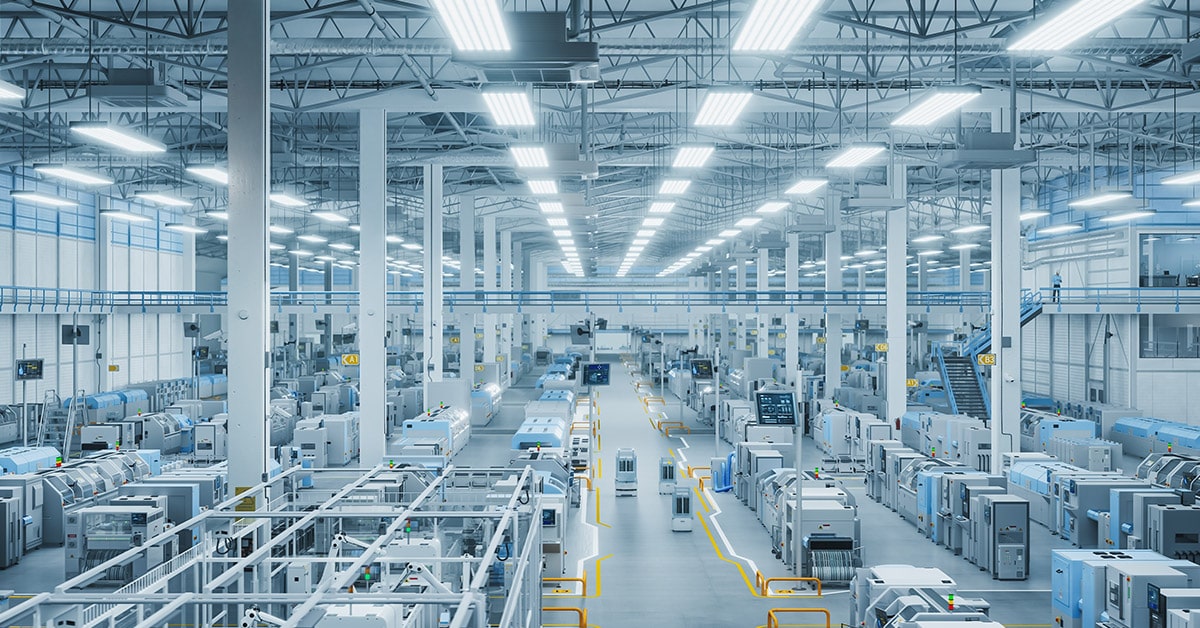
كيف تُحسّن تقنية تحديد الهوية بموجات الراديو (RFID) تتبع سير العمل في التصنيع
في التصنيع الحديث، يُعدّ فهم ما يجري في خط الإنتاج أمرًا بالغ الأهمية للحفاظ على الكفاءة وجودة المنتج وأداء التسليم. مع ذلك، لا يزال العديد من المصنّعين يعتمدون على السجلات الورقية، ومسح الرموز الشريطية، وجداول البيانات، أو إدخال البيانات يدويًا لتتبع المواد والمنتجات أثناء مراحل الإنتاج. غالبًا ما تُسبّب هذه الأساليب تأخيرات، وسجلات غير مكتملة، ورؤية محدودة.
توفر تقنية تحديد الهوية بترددات الراديو، والمعروفة اختصاراً بـ RFID، للمصنّعين طريقة أكثر آلية وموثوقية لمراقبة المخزون قيد التصنيع. فمن خلال تثبيت علامات RFID على المواد الخام أو المكونات أو الحاويات أو الأدوات أو أوامر الإنتاج، يستطيع المصنّعون تحديد وتتبع العناصر طوال عملية التصنيع.
تساعد تقنية تتبع العمليات باستخدام RFID الشركات على فهم موقع كل منتج، والمرحلة الإنتاجية التي وصل إليها، ومدة بقائه في محطة العمل، وما إذا كان يتحرك وفقًا للجدول الزمني. تتيح هذه الرؤية الآنية للمصنعين تقليل تأخيرات الإنتاج، وتحسين دقة المخزون، والتحكم في التكاليف، واتخاذ قرارات تشغيلية أفضل.
يشير مصطلح "المنتجات قيد التصنيع" أو "WIP" إلى المواد والمكونات والتجميعات والمنتجات غير المكتملة التي تمر حاليًا بعملية الإنتاج. لم تعد هذه العناصر مواد خام، لكنها لم تصبح بعد سلعًا تامة الصنع.
على سبيل المثال، في مصنع سيارات، يُعتبر هيكل السيارة الذي اكتمل لحامه ولكنه لم يدخل بعد مرحلة الطلاء من ضمن المخزون قيد التصنيع. وفي مصنع إلكترونيات، تُعتبر لوحة الدوائر المطبوعة التي تم تجميعها ولكنها لم تُختبر بعد من ضمن المخزون قيد التصنيع أيضاً.
تتبع سير العمل هو عملية تسجيل ومراقبة هذه العناصر أثناء انتقالها بين مراحل الإنتاج. يجب أن يجيب نظام تتبع سير العمل الفعال على عدة أسئلة مهمة:
أين المنتج الآن؟ ما هي المرحلة التي أكملها؟ ما هو أمر الإنتاج الذي ينتمي إليه؟ كم من الوقت بقي في موقعه الحالي؟ ما هي المرحلة التالية التي يجب أن يدخلها؟ هل اجتاز فحص الجودة؟
بدون إجابات موثوقة على هذه الأسئلة، قد يواجه المصنعون مواد في غير موضعها، ومخزونًا زائدًا، واختناقات، وتسلسلات إنتاج غير صحيحة، وتأخيرًا في طلبات العملاء.
تُستخدم الرموز الشريطية على نطاق واسع في التصنيع نظرًا لانخفاض تكلفتها وسهولة تطبيقها نسبيًا. مع ذلك، تتطلب أنظمة الرموز الشريطية خط رؤية واضحًا بين الماسح الضوئي والملصق. عادةً ما يحتاج العمال إلى تحديد موقع الرمز الشريطي، ووضع الماسح الضوئي، ومسح كل عنصر على حدة.
قد تصبح هذه العملية غير فعّالة عند الحاجة إلى تتبع مئات أو آلاف المكونات يوميًا. كما قد تتعرض ملصقات الباركود للاتساخ أو التلف أو التغطية أو عدم إمكانية قراءتها في بيئات التصنيع الصعبة.
تُشكّل أساليب التتبع اليدوية تحديات أكبر. فقد ينسى الموظفون تسجيل حركة المواد، أو يُدخلون معلومات غير صحيحة، أو يُحدّثون النظام بعد ساعات من وقوع الحدث. ونتيجةً لذلك، قد يعمل مديرو الإنتاج ببيانات قديمة.
تُصعّب هذه القيود تحقيق رؤية دقيقة وفورية في جميع أنحاء المصنع. وتعالج تقنية تحديد الهوية بموجات الراديو (RFID) العديد من هذه المشكلات من خلال أتمتة تحديد العناصر وجمع البيانات.
يتكون نظام تتبع العمل قيد التنفيذ بتقنية RFID عادةً من علامات RFID، وقارئات RFID، وهوائيات، وبرامج وسيطة، وبرامج إدارة الإنتاج.
تُثبّت علامات RFID على العناصر المراد تتبعها. وبحسب التطبيق، يمكن وضع العلامة مباشرةً على أحد المكونات، أو حامل الإنتاج، أو منصة نقالة، أو صندوق، أو أداة تثبيت، أو صينية، أو بطاقة أمر عمل. تحتوي كل علامة على رقم تعريف فريد يربط العنصر المادي بسجله الإنتاجي الرقمي.
يتم تركيب أجهزة قراءة وتحديد الهوية بموجات الراديو (RFID) وهوائياتها في نقاط مهمة على طول عملية الإنتاج. قد تشمل هذه المواقع مناطق استلام المواد، ومحطات التجميع، ونقاط الفحص، وخطوط الطلاء، ومناطق التخزين، ومناطق التعبئة والتغليف، ومخارج المنتجات النهائية.
عندما يدخل عنصر مُوسَم أو يخرج من منطقة مراقبة، يقوم قارئ البطاقات تلقائيًا بالتقاط معلومات الوسم. على عكس مسح الرموز الشريطية، لا تتطلب تقنية تحديد الهوية بموجات الراديو (RFID) دائمًا خط رؤية مباشر. كما يمكن اكتشاف عدة وسوم في فترة وجيزة.
تقوم برامج RFID الوسيطة بتصفية ومعالجة بيانات القارئ قبل إرسالها إلى نظام تنفيذ التصنيع، أو منصة تخطيط موارد المؤسسة، أو نظام إدارة المستودعات، أو قاعدة بيانات الإنتاج المخصصة.
يقوم البرنامج بعد ذلك بتحديث حالة المنتج تلقائيًا. ويمكن لمديري الإنتاج الاطلاع على موقع المنتج وسجل العمليات وحالة الفحص ومرحلة الإنتاج الحالية من خلال لوحة تحكم.
من أهم مزايا تقنية تحديد الهوية بموجات الراديو (RFID) في مجال التصنيع إمكانية المراقبة الآنية. فبدلاً من انتظار العمال لتحديث سجلات الإنتاج يدوياً، تستطيع أنظمة RFID رصد التحركات تلقائياً.
يستطيع المديرون الاطلاع على عدد المنتجات المنتظرة في كل مرحلة من مراحل الإنتاج، وعدد المنتجات قيد المعالجة حاليًا، وعدد المنتجات التي اكتمل إنتاجها. تساعد هذه المعلومات المصنّعين على مقارنة التقدم الفعلي في الإنتاج بالجداول الزمنية المخططة.
إذا دخل أحد المكونات منطقة الإنتاج الخاطئة، يمكن للنظام إصدار تنبيه. وإذا بقيت دفعة إنتاجية في محطة عمل واحدة لفترة أطول من المتوقع، يمكن للمشرفين التحقق من السبب قبل أن يؤثر التأخير على الطلبية بأكملها.
تُعدّ الرؤية الآنية ذات قيمة بالغة الأهمية في المصانع ذات مسارات الإنتاج المعقدة، أو التي تضمّ أنواعًا متعددة من المنتجات، أو التي تنتج مكونات عالية القيمة. فهي تُمكّن فرق الإنتاج من الاستجابة بسرعة بدلاً من اكتشاف المشكلات في نهاية نوبة العمل أو بعد تأخر تسليم المنتج للعميل.
يستهلك إدخال البيانات يدويًا وقت الموظفين ويزيد من خطر الخطأ البشري. فقد يقوم العامل بمسح رمز شريطي خاطئ، أو اختيار أمر إنتاج غير صحيح، أو ينسى تسجيل إتمام عملية ما.
تُقلل تقنية تحديد الهوية بموجات الراديو (RFID) من عدد الإجراءات اليدوية المطلوبة. إذ يمكن لأجهزة القراءة التعرف تلقائيًا على العناصر المُوسومة أثناء مرورها عبر مناطق الإنتاج. وهذا يُتيح للموظفين قضاء وقت أقل في مسح الملصقات وإكمال الأوراق.
يساهم جمع البيانات الآلي أيضاً في تحسين اتساق السجلات. يتم تسجيل كل حركة وفقاً لقواعد العمل المحددة مسبقاً، مما يخلق سجلاً إنتاجياً أكثر موثوقية.
يمكن للمصنعين استخدام هذه المعلومات لتحليل أوقات الدورة، وتحديد التأخيرات المتكررة، ومقارنة أداء محطات العمل، وتحسين تخطيط الإنتاج.
قد تتسبب سجلات المخزون غير الدقيقة في حدوث مشاكل إنتاجية خطيرة. فقد يُظهر النظام أن أحد المكونات متوفر حتى وإن تم نقله أو استهلاكه أو رفضه أو وضعه في مكان خاطئ.
عندما تكون سجلات المخزون غير موثوقة، قد يقضي الموظفون وقتاً طويلاً في البحث عن المواد المفقودة. وقد يطلب مخططو الإنتاج أيضاً مكونات بديلة غير ضرورية أو يجدولون أعمالاً لا يمكن إنجازها.
توفر تقنية تحديد الهوية بموجات الراديو (RFID) تحديثات أكثر تواتراً وتلقائية للمخزون. ويمكن رصد الحاويات والمنصات ووحدات الإنتاج الموسومة عند دخولها أو خروجها من مناطق محددة.
يُتيح ذلك صورةً أدقّ لكمية وموقع المخزون قيد التصنيع. وتُسهم الدقة المُحسّنة في تقليل وقت البحث، ومنع عمليات شراء المواد غير الضرورية، ودعم جدولة الإنتاج بشكلٍ أكثر موثوقية.
يحدث اختناق الإنتاج عندما تعجز عملية واحدة عن مواكبة بقية نظام التصنيع. تبدأ المواد بالتراكم قبل محطة العمل المحدودة، مما يزيد من أوقات التسليم ومخزون العمل قيد التنفيذ.
يمكن لبيانات تقنية تحديد الهوية بموجات الراديو (RFID) الكشف عن هذه المعوقات من خلال إظهار المدة التي تبقى فيها المنتجات في كل مرحلة من مراحل الإنتاج. ويمكن للمصنعين مقارنة أوقات المعالجة المتوقعة بأوقات الانتظار الفعلية.
على سبيل المثال، إذا كانت المنتجات تنتظر بانتظام عدة ساعات قبل دخول محطة فحص الجودة، فقد يحتاج المصنع إلى تعديل عدد الموظفين أو إجراءات الفحص أو سعة المعدات.
بفضل تقنية تحديد الهوية بموجات الراديو (RFID) التي تسجل الطوابع الزمنية تلقائيًا، فإنها توفر معلومات تفصيلية وموضوعية حول سير الإنتاج. وهذا يُسهّل تحديد المصدر الحقيقي للتأخيرات بدلاً من الاعتماد فقط على ملاحظات الموظفين أو تقارير الإنتاج غير المكتملة.
يتعين على العديد من المصنّعين إنتاج المنتجات وفق تسلسل محدد. وهذا شائع في صناعة السيارات، وتصنيع المعدات حسب الطلب، وتجميع الإلكترونيات، وعمليات التصنيع حسب الطلب.
تتيح علامات RFID ربط كل عنصر مادي بتعليمات إنتاجه، وطلب العميل، وقائمة المواد، ومتطلبات التوجيه. وعند وصول العنصر إلى محطة العمل، يتحقق النظام من وجوده في العملية الصحيحة ومن إتمام الخطوات السابقة اللازمة.
في حال دخول منتج خاطئ إلى محطة الإنتاج، يمكن للنظام إخطار المشغل أو منع بدء العملية. وهذا يقلل من مخاطر التجميع غير الصحيح، وتخطي العمليات، وخلط المنتجات.
يمكن لتقنية تحديد الهوية بموجات الراديو (RFID) أن تساعد محطات العمل على استرجاع معلومات التكوين الصحيحة تلقائيًا. وقد يتلقى المشغلون تعليمات رقمية بناءً على هوية العنصر المُعلَّم، مما يُحسِّن سرعة الإنتاج ودقته.
يحتاج المصنعون إلى إمكانية التتبع للتحقيق في العيوب، وإدارة عمليات سحب المنتجات، وتلبية متطلبات العملاء، والامتثال للوائح الصناعية.
يُنشئ نظام تتبع العمل قيد التنفيذ القائم على تقنية RFID سجلاً رقمياً لرحلة إنتاج كل عنصر. قد يتضمن هذا السجل محطات العمل التي تمت زيارتها، وأوقات المعالجة، والمعدات المستخدمة، والمشغلين المشاركين، ونتائج الفحص، ودفعات المكونات.
في حال اكتشاف مشكلة في الجودة، يمكن للشركة المصنعة تتبع المنتج المتضرر عبر مراحل الإنتاج. ويمكنها تحديد المواد المستخدمة، وظروف التصنيع المسجلة، وما إذا كانت منتجات أخرى قد تأثرت.
يمكن لتقنية تحديد الهوية بموجات الراديو (RFID) أيضاً دعم نقاط فحص الجودة. فعندما يجتاز أحد المنتجات محطة الفحص، يتم تحديث حالته تلقائياً. أما المنتجات التي لا تجتاز الفحص، فيمكن توجيهها إلى منطقة إعادة العمل ومنعها من الانتقال إلى مرحلة الإنتاج التالية.
يُحسّن هذا المستوى من إمكانية التتبع إدارة الجودة ويسمح للمصنعين بالاستجابة بشكل أكثر دقة لشكاوى العملاء أو عمليات سحب المنتجات.
يؤدي تراكم المخزون غير المكتمل إلى تجميد رأس المال، وشغل مساحة الإنتاج، وإخفاء المشاكل التشغيلية. وقد يحتفظ المصنّعون بكميات كبيرة من المخزون غير المكتمل لعدم ثقتهم الكافية في بيانات إنتاجهم.
بفضل تقنية تحديد الهوية بموجات الراديو (RFID)، يحصل المخططون على رؤية أوضح لتوافر المواد وتقدم الإنتاج. ويمكنهم تقليل مخزون المواد الاحتياطية غير الضروري مع الحفاظ على تدفق إنتاج موثوق.
يؤدي انخفاض مستويات المخزون قيد التصنيع إلى تحسين التدفق النقدي وتسهيل إدارة المصنع. تصبح مناطق الإنتاج أقل ازدحامًا، ويسهل تحديد مواقع المواد، وتصبح المشاكل أكثر وضوحًا.
لا تُقلل تقنية تحديد الهوية بموجات الراديو (RFID) من المخزون بشكل تلقائي. ومع ذلك، فإن المعلومات الدقيقة والآنية التي توفرها هذه التقنية تُمكّن المصنّعين من تطبيق ممارسات التصنيع الرشيق بفعالية أكبر.
يمكن استخدام تقنية تتبع العمل أثناء التنفيذ باستخدام تقنية RFID في العديد من الصناعات.
يستطيع مصنّعو السيارات تتبّع هياكل المركبات والمحركات وناقلات الحركة ووحدات الإنتاج خلال مراحل اللحام والطلاء والتجميع والفحص. كما يستطيع مصنّعو الإلكترونيات مراقبة لوحات الدوائر الكهربائية والصواني وأجهزة الاختبار ووحدات الإصلاح. أما شركات الطيران، فيمكنها تتبّع المكونات عالية القيمة خلال عمليات إنتاج طويلة ودقيقة.
يمكن لشركات تشكيل المعادن استخدام علامات RFID المصممة خصيصًا للبيئات المعدنية لتحديد الأجزاء والرفوف والحاويات. كما يمكن لمصنعي المنسوجات تتبع لفائف الأقمشة وحزم القطع ودفعات الملابس. أما مصنعو الأغذية والأدوية، فيمكنهم مراقبة دفعات الإنتاج مع الحفاظ على إمكانية التتبع والتحكم في العمليات.
ينبغي اختيار نوع العلامة المحدد، وتكرارها، وترتيب القارئ، وتكوين البرنامج وفقًا لبيئة الإنتاج ومتطلبات العمل.
يُعد اختيار بطاقة RFID المناسبة أمرًا بالغ الأهمية لتتبع المنتجات قيد التصنيع بشكل موثوق. قد لا تعمل بطاقات RFID القياسية بشكل صحيح عند تثبيتها مباشرة على المعادن أو استخدامها بالقرب من السوائل.
بالنسبة للمكونات المعدنية، قد يحتاج المصنّعون إلى علامات RFID مضادة للمعادن مصممة خصيصًا للعمل على الأسطح المعدنية. وقد تتطلب عمليات الإنتاج ذات درجات الحرارة العالية علامات مقاومة للحرارة. أما البيئات القاسية فقد تتطلب علامات تتحمل المواد الكيميائية والاهتزازات والغبار والرطوبة أو الغسيل المتكرر.
غالباً ما تُثبّت البطاقات القابلة لإعادة الاستخدام على المنصات أو الصناديق أو الرفوف أو التجهيزات أو حوامل الإنتاج بدلاً من المنتجات الفردية. يُمكن لهذا النهج أن يُقلل من تكاليف البطاقات لأن بطاقة RFID تبقى مُرتبطة بالأصل القابل لإعادة الاستخدام.
ينبغي على المصنّعين أيضاً مراعاة مسافة القراءة، وسعة الذاكرة، وطريقة التركيب، وحجم العلامة، والعمر الافتراضي المتوقع قبل اختيار علامة RFID.
ينبغي أن يبدأ أي مشروع ناجح لتقنية تحديد الهوية بموجات الراديو (RFID) بتحديد مشكلة تجارية واضحة المعالم. يجب على المصنّعين تحديد المواد أو المنتجات التي تحتاج إلى تتبع، والعمليات الإنتاجية التي يجب تسجيلها، والتحسينات التي يتوقعون تحقيقها.
تتمثل الخطوة التالية في رسم خريطة لعملية الإنتاج الحالية. ويشمل ذلك تحديد نقاط دخول المواد، ومحطات العمل، ومناطق التخزين، ومحطات الفحص، ومناطق إعادة العمل، ونقاط الخروج.
يمكن بعد ذلك اختيار مواقع علامات RFID وأجهزة القراءة بناءً على البيئة المادية. ينبغي إجراء اختبارات القراءة في ظروف الإنتاج الفعلية لأن الآلات والهياكل المعدنية والسوائل والتداخل الكهرومغناطيسي قد تؤثر على أداء تقنية RFID.
عادةً ما يكون المشروع التجريبي أكثر فعالية من تطبيقه الفوري على مستوى المصنع بأكمله. يمكن للمصنّع البدء بخط إنتاج واحد، أو مجموعة منتجات، أو عملية ذات قيمة عالية. يوفر المشروع التجريبي فرصة لتحسين موضع القارئ، وقواعد البرمجيات، وسير عمل الموظفين، وتكامل النظام.
بعد أن يثبت المشروع التجريبي فوائد قابلة للقياس، يمكن توسيع نطاق الحل ليشمل مجالات أخرى.
ينبغي تقييم قيمة تقنية تحديد الهوية بموجات الراديو (RFID) باستخدام مؤشرات تشغيلية بدلاً من الاعتماد على أداء القراءة فقط. قد تشمل المقاييس ذات الصلة دقة مخزون المنتجات قيد التصنيع، ومدة الإنتاج، ووقت البحث، وساعات العمل المستغرقة في المسح الضوئي، وعدد العناصر المفقودة، ومعدلات إعادة العمل، وأداء التسليم في الوقت المحدد.
ينبغي على المصنّعين مقارنة هذه المقاييس قبل وبعد التنفيذ. كما ينبغي عليهم حساب تكاليف العلامات، وأجهزة القراءة، والهوائيات، وتكامل البرامج، والتركيب، والصيانة، وتدريب الموظفين.
تركز أقوى دراسات جدوى استخدام تقنية تحديد الهوية بموجات الراديو (RFID) عادةً على العناصر ذات القيمة العالية، وعمليات التتبع كثيفة العمالة، وأخطاء الإنتاج المتكررة، أو العمليات التي يؤدي فيها محدودية الرؤية إلى تأخيرات كبيرة.
تعمل تقنية تحديد الهوية بموجات الراديو (RFID) على تحسين تتبع سير العمل من خلال ربط المواد والمنتجات المادية بسجلات الإنتاج الرقمية في الوقت الفعلي. وتتيح هذه التقنية للمصنعين مراقبة مواقع العناصر ومراحل الإنتاج وأوقات العمليات ونتائج الفحص وحركة المواد تلقائيًا.
بالمقارنة مع السجلات الورقية، وإدخال البيانات اليدوي، والأنظمة التي تعتمد على الرموز الشريطية فقط، يمكن لتقنية RFID أن توفر جمع بيانات أسرع، ودقة أفضل للمخزون، وإمكانية تتبع محسنة، ورؤية أكبر للإنتاج.
تساعد هذه التقنية المصنّعين على تحديد نقاط الاختناق، وتقليل وقت البحث، والتحكم في تسلسل الإنتاج، وخفض مخزون المنتجات قيد التصنيع، والاستجابة السريعة لمشاكل الجودة. كما توفر البيانات الموثوقة اللازمة للتصنيع الرشيق، وتحسين الإنتاج، والتحول الرقمي.
بالنسبة للمصنعين الذين يخططون لمشروع RFID، فإن المفتاح هو البدء بتحدٍ تشغيلي محدد، واختيار العلامات المناسبة لبيئة الإنتاج، واختبار النظام في ظل ظروف حقيقية، ودمج بيانات RFID مع برامج التصنيع الحالية.
عند تصميم نظام تتبع العمل قيد التنفيذ بتقنية RFID وتنفيذه بشكل صحيح، فإنه يستطيع تحويل بيانات الإنتاج من سجلات يدوية متأخرة إلى عرض دقيق وفوري لعملية التصنيع بأكملها.

معلومات تفصيلية وملف PDF

للتواصل مع الدعم عبر البريد الإلكتروني.

إرشادات فنية احترافية.

للتواصل مع الدعم عبر البريد الإلكتروني.


واتساب

وصلة

يوتيوب

فيسبوك
ترك رسالة
امسح ضوئيًا إلى WeChat/WhatsApp :



 IPv6 الشبكة المدعومة